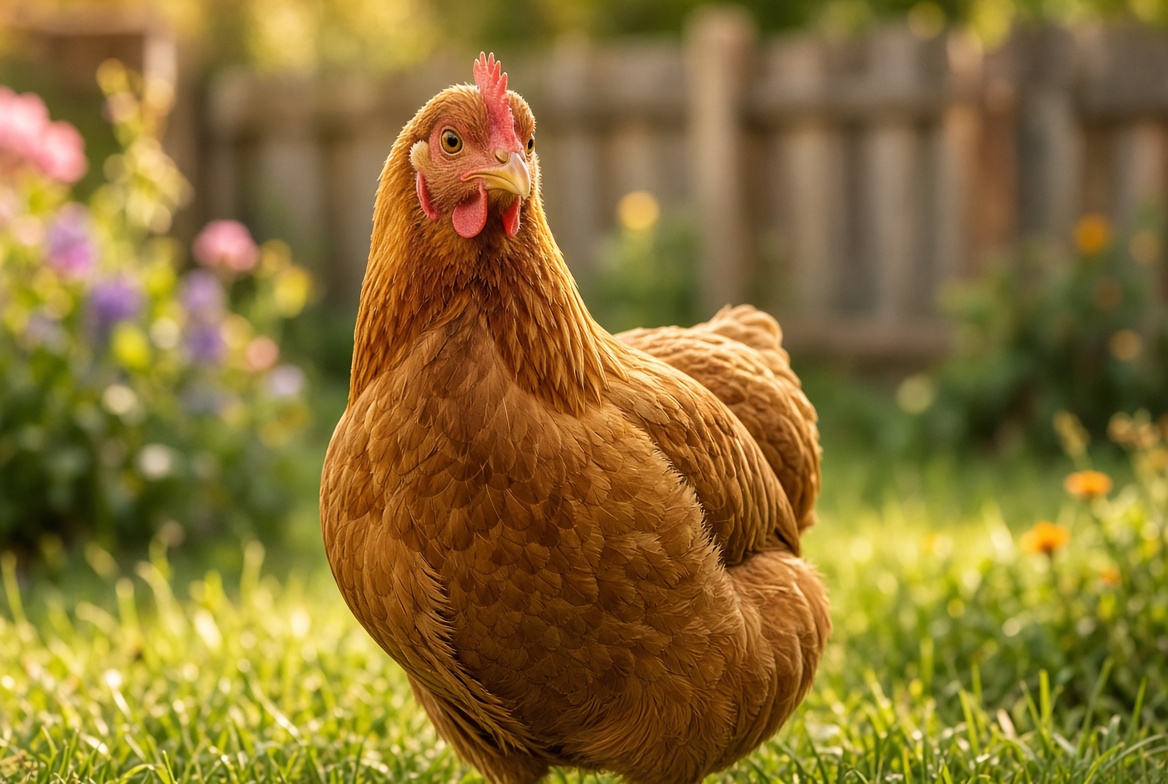
Most people look at a chicken and see dinner or a backyard egg factory. They rarely see a creature that can remember human faces for months, form friendships, show self-control stronger than many dogs, and navigate complex social hierarchies with the precision of a small-town politician. That gap between reputation and reality is exactly why so many owners who bring chickens home as “just pets” end up astonished.
The truth is quieter and more interesting than the stereotypes. Chickens are not miniature dogs in feathers. They are intelligent, social animals with distinct personalities, long memories, and needs that catch most first-time keepers off guard. Understanding those realities before you bring them home is the difference between a rewarding relationship and a frustrated one.
They Really Do Remember Faces—and Experiences
Chickens can recognize up to around 100 individual faces, both of other chickens and of humans. They don’t just notice a general shape. They learn specific individuals and link them to past experiences. A person who regularly brings treats gets a different reception than a stranger or someone associated with stress.
Their memory extends beyond faces. Studies show young chicks can remember the location of hidden objects after delays that match or exceed those of some primates. Adult birds retain spatial information and associations for weeks and, in some observations, far longer. They remember successful hiding spots after predator threats. They remember which of their flock mates rank higher or lower. They even demonstrate self-control: many hens will wait for a larger reward instead of taking a smaller one immediately when the delay is worthwhile.
This is not the same as a dog’s ability to learn dozens of verbal commands or read human emotional cues with the same intensity. It is a different kind of intelligence—strong in social recognition, spatial memory, and practical problem-solving within their world. Calling them “bird brains” is simply outdated.
Loyalty Looks Different in a Flock Animal
Chickens form attachments. Many will follow their preferred person around the yard, come running at the sound of a familiar voice or the rattle of a treat container, and show clear preference for the humans who treat them well. Some enjoy being gently handled; a smaller percentage will sit calmly on a lap. These bonds are real, but they are shaped by the fact that chickens are prey animals and flock animals first.
They need company of their own kind. A single chicken is a lonely chicken. Most keepers recommend a minimum of three or four so the birds can form their natural social structure—the famous pecking order. Within that structure, individuals develop friendships, alliances, and clear status. Watch a settled flock long enough and you start recognizing who prefers whom, who defers, and who quietly enforces the rules.
Empathy appears too. Mother hens show measurable distress when their chicks are stressed. Flock mates respond to alarm calls with specific, graded reactions depending on the type of threat. These are not simple reflexes. They are social and emotional responses that make living with chickens feel surprisingly relational once you learn to read them.
What Daily Life With Pet Chickens Actually Involves
Chickens are outdoor animals at heart. They cannot be reliably house-trained the way a dog or cat can. Droppings happen wherever they happen, which makes full-time indoor living impractical and unhygienic for most households. Salmonella risk is another practical reality that requires careful hygiene, especially around children, elderly people, or anyone with a compromised immune system.
What works for most pet-oriented keepers is a secure outdoor setup: a predator-proof coop for nighttime, a safe run or supervised free-range time during the day, fresh water, appropriate feed, dust-bathing opportunities, and enrichment. Chickens are curious. They explore, scratch, dust-bathe, and investigate anything new. Boredom leads to feather-picking and bullying. Simple additions—perches at different heights, hanging treats, safe plants to forage—keep their minds occupied.
They also live longer than many people expect. Five to ten years is common with good care; some reach twelve or more. Egg production slows or stops after a few years, but the bird remains a companion. That long commitment is worth considering before you start.
The Practical Realities Most Articles Soften
Predators are a constant concern. Raccoons, foxes, hawks, neighborhood dogs, and even determined cats can turn a free-ranging afternoon into a tragedy. Secure fencing that goes into the ground, a locked coop at night, and regular checks are non-negotiable.
Local rules matter. Many cities and HOAs restrict or ban backyard chickens, limit numbers, or prohibit roosters. Roosters crow—loudly and often before dawn. Even hens make noise. Check regulations before you invest.
Veterinary care for chickens is less standardized than for dogs and cats. Finding a veterinarian experienced with poultry can take effort. Basic knowledge of common issues—mites, respiratory problems, egg-binding, injuries—helps owners act quickly.
Chickens are also individuals. Some breeds and some personalities are more people-oriented. Others remain independent and prefer limited handling. Expecting every chicken to act like a lap dog sets both of you up for disappointment.
Why the Experience Still Surprises People
Owners who treat chickens as the complex animals they are often describe a quiet daily pleasure: watching distinct personalities unfold, hearing the soft conversational clucks, seeing a favorite hen run across the yard when she spots you, noticing how the flock settles into its own rhythms. The intelligence shows up in small moments—remembering where the best bugs were yesterday, solving a simple puzzle for a treat, adjusting behavior based on who is watching.
They will never replace a dog’s working partnership or a cat’s independent affection. They offer something else: a window into a different kind of social mind, one that is sharp, memorable, and more emotionally layered than popular culture admits.
The Honest Question Before You Start
Having chickens as pets works best when the goal is not to force them into a dog-shaped role, but to meet them on their own terms. Secure space, a small flock, daily attention, protection from predators, and realistic expectations about mess and noise create the conditions for a genuine relationship.
If those conditions fit your life, you may discover that the bird once dismissed as a simple farm animal is capable of recognition, memory, preference, and a quiet form of loyalty that stays with you long after the novelty of fresh eggs fades. The surprise is not that chickens can be pets. The surprise is how much there was to notice once people started looking carefully.