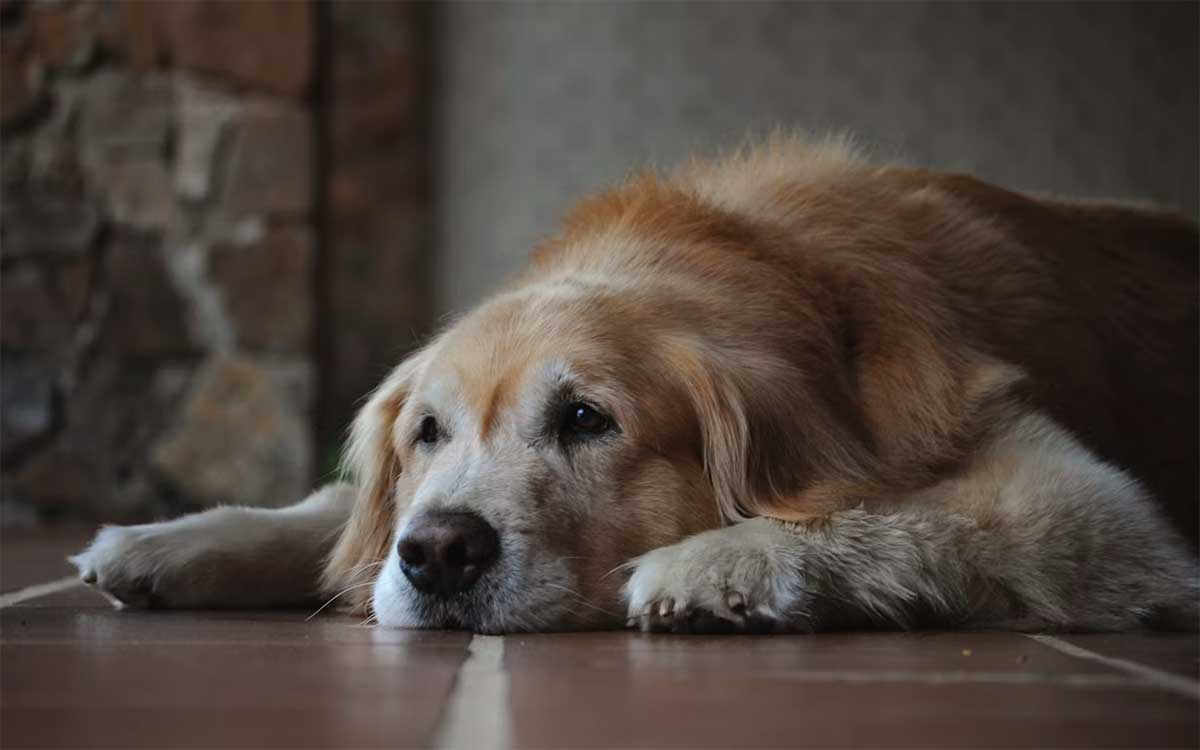
"Senior" is a loose label — a 7-year-old Great Dane and a 7-year-old Chihuahua are at very different life stages. Larger breeds tend to enter their senior years around 6-7, while small breeds often aren't considered senior until 10-12. But regardless of exact timing, there are a handful of changes worth watching for once your dog starts aging.
Joints and Mobility
Stiffness after resting, hesitation on stairs, or reluctance to jump onto furniture are often early signs of joint changes, not just "getting lazy." Keeping a healthy weight becomes even more important here — extra weight puts direct added strain on aging joints.
Dental Health Becomes a Bigger Deal
Dental disease is extremely common in older dogs and often goes unnoticed because dogs are good at hiding pain. Bad breath, dropping food while eating, or pawing at the mouth are worth a vet check — untreated dental issues can also affect overall health, not just the mouth.
Vision and Hearing Decline Gradually
Many owners don't notice hearing loss until it's fairly advanced, because dogs adapt by relying more on smell and visual cues. A dog that startles more easily, doesn't respond to their name from another room, or seems more hesitant in dim lighting may be adjusting to sensory changes rather than becoming "stubborn."
Metabolism Slows Down
Senior dogs typically need fewer calories than they did as adults, even at the same activity level. This is one of the more overlooked reasons senior dogs gradually gain weight — owners keep feeding the same portion that worked for years.
Cognitive Changes Are Real, Not Just "Old Age"
Confusion, disrupted sleep patterns, staring at walls, or seeming lost in familiar spaces can be signs of canine cognitive dysfunction — essentially a canine version of age-related cognitive decline. It's a real, diagnosable condition, and there are ways to manage it, so it's worth mentioning to your vet rather than assuming nothing can be done.
Practical Adjustments Worth Making
- Non-slip rugs or runners on slippery floors (hardwood and tile get harder to navigate with joint stiffness)
- A ramp or steps for the couch, bed, or car if jumping has become difficult
- Twice-yearly vet checkups instead of annual — many age-related issues progress faster than a once-a-year visit can catch early
- Orthopedic bedding to reduce pressure on joints during rest
None of these changes mean your dog's quality of life has to decline — most are very manageable once you know what to watch for and adjust accordingly.