The indoor vs. outdoor debate often gets framed as a moral question, but practically speaking, it's really a question of what changes in terms of care. Whichever situation applies to your cat, here's what's actually different.
Lifespan Differences Are Significant
Indoor cats, on average, live meaningfully longer than cats with regular outdoor access — largely due to reduced exposure to traffic, predators, fights with other animals, and disease transmission. This doesn't mean outdoor access is inherently wrong, but it's worth knowing the general risk difference going in.
Indoor Cats Need Built-In Enrichment
An outdoor cat gets a lot of natural mental and physical stimulation just from exploring. An indoor-only cat doesn't get that automatically — which means boredom, weight gain, and stress-related behaviors (over-grooming, scratching furniture, litter box issues) are more common if the indoor environment isn't set up to compensate.
What helps:
- Vertical space — cat trees, shelves, window perches
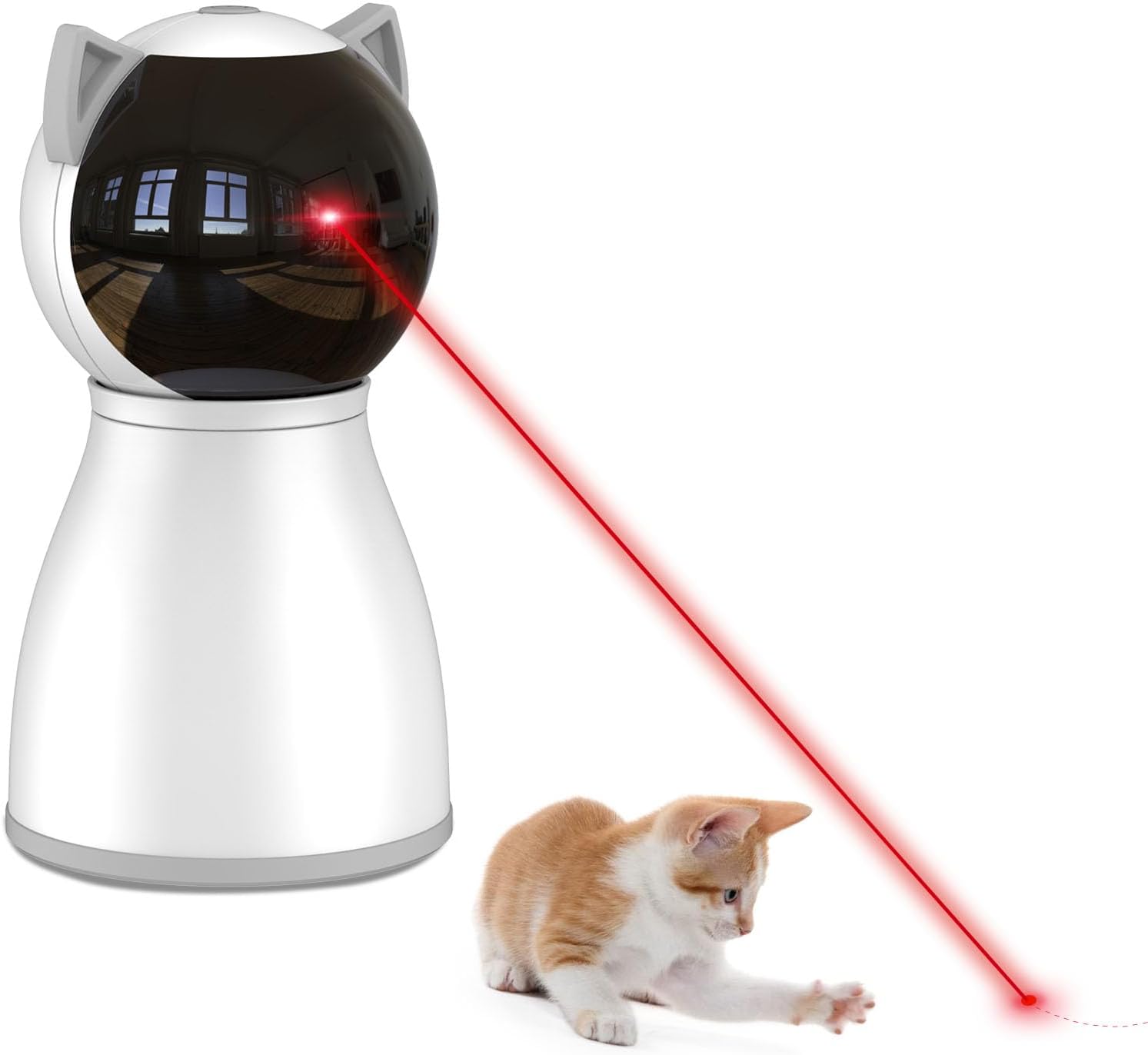
- Regular interactive play sessions (wand toys, not just solo toys)
- Scratching posts in multiple locations
- Rotating toys periodically so novelty doesn't wear off completely
Outdoor Cats Need More Parasite and Disease Prevention
Cats with outdoor access are exposed to fleas, ticks, and other cats far more than strictly indoor cats, which usually means more consistent (and non-negotiable) parasite prevention, plus a stronger case for certain vaccines depending on your region and local disease risk. This is a conversation worth having directly with your vet based on your specific location.
Weight Management Looks Different
Outdoor cats often naturally regulate activity levels through exploring and hunting behavior. Indoor cats rely entirely on the owner to provide enough activity and to avoid overfeeding — it's much easier for an indoor cat's weight to creep up unnoticed since there's no outdoor activity buffering it.
The Litter Box Becomes Non-Negotiable for Indoor Cats
An indoor-only cat has zero alternative bathroom options, which means litter box setup quality (size, cleanliness, number of boxes, placement) directly affects their comfort and stress levels in a way it simply doesn't for a cat that also has outdoor access.
The Middle Ground: Enclosed Outdoor Access
A growing number of owners use "catios" or secure enclosed outdoor spaces (leash walking with a proper harness is another option for some cats) — giving some outdoor stimulation and fresh air while avoiding the biggest risks of unsupervised outdoor roaming. It's not the right fit for every cat or every home, but it's worth knowing it exists as a middle option.