Cats rarely "misbehave" when it comes to litter box issues — almost always, they're reacting to something about the setup itself. If your cat has started avoiding the box, or you've just had a nagging feeling something's off, here are the 5 signs worth paying attention to.
1. Your Cat Is Going Just Outside the Box, Not Randomly Around the House
This is one of the clearest signals in the litter box world. If accidents happen consistently near the box rather than scattered around the house, it's rarely defiance — it usually means something about the box itself (size, cleanliness, litter type) is uncomfortable enough that your cat wants to be near the "right spot" without actually stepping in.
2. The Box Is Smaller Than Your Cat
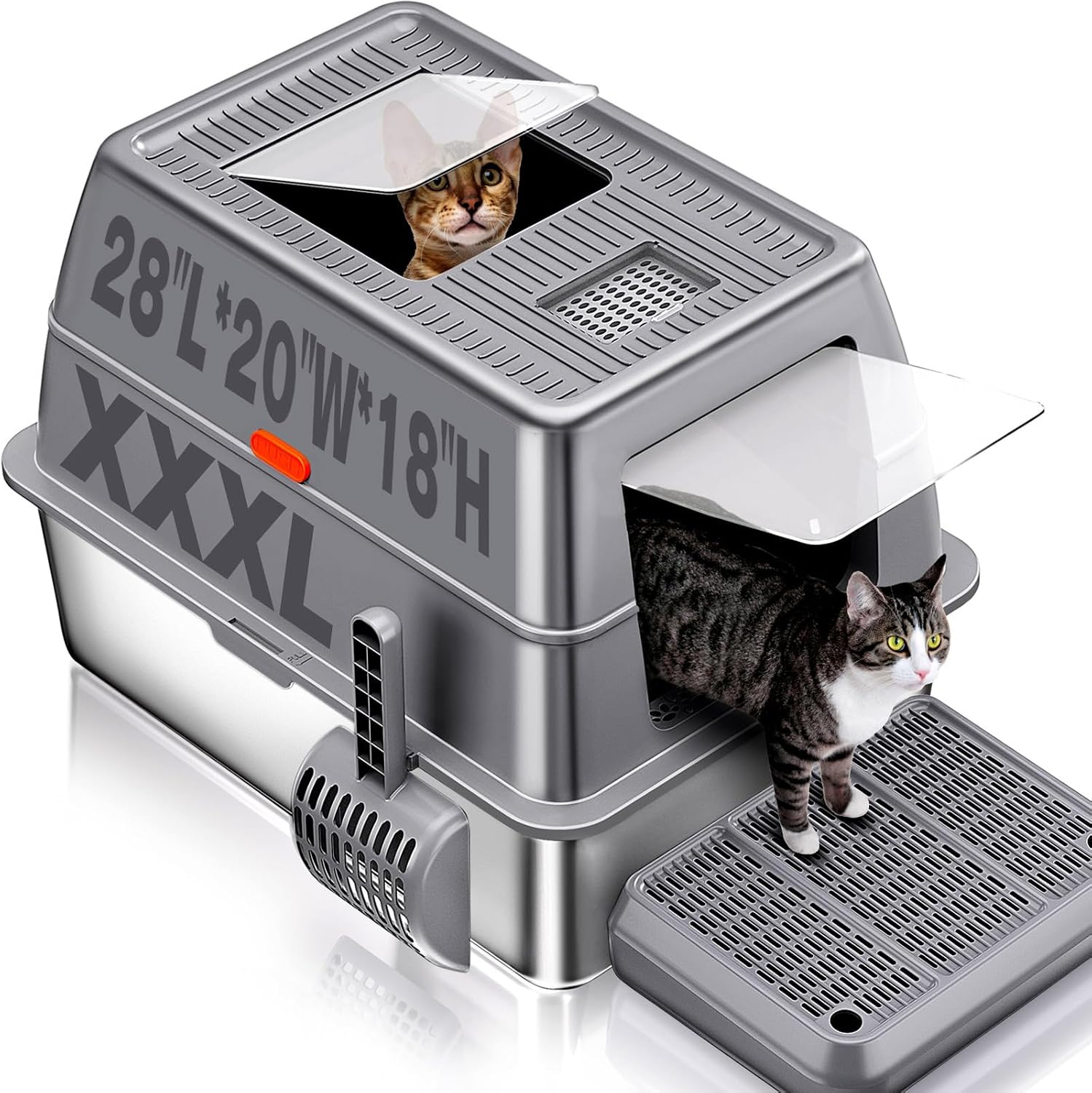
A common mistake: buying a box sized for a kitten and never upgrading. The general rule is that a litter box should be about 1.5 times the length of your cat, nose to base of tail. Many standard boxes sold in stores are actually too small for a full-grown cat, especially larger breeds.
3. You're Not Following the "One Per Cat, Plus One" Rule
If you have multiple cats sharing boxes, resource guarding and cleanliness issues both increase. The standard guidance from veterinary behaviorists is: number of cats + 1 box, placed in different locations (not lined up next to each other, which doesn't count as separate options in a cat's mind).
4. You Switched Litter Brands or Scents Recently
Cats have strong scent preferences and can be surprisingly sensitive to sudden litter changes — especially scented litters, which many cats actively dislike despite being marketed for owner comfort, not feline preference. If issues started right after a switch, that's rarely a coincidence.
5. The Box Is in a High-Traffic or Exposed Spot
Cats want privacy and a clear escape route while using the box — not a spot next to a loud appliance, in a high-traffic hallway, or somewhere they feel cornered. If the box's location changed recently (even to a "cleaner-looking" spot for you), that alone can be enough to cause avoidance.
What Usually Fixes It
- Scoop daily, not just when it looks obviously full
- Do a full litter and box wash every 2-4 weeks (plain soap and water — avoid harsh chemical cleaners, which can leave a scent cats dislike)
- Try unscented litter first if you're using scented
- Reassess box size and count based on the rules above
If you've addressed all of this and the issue persists, it's worth a vet visit — litter box avoidance can also be an early sign of a urinary tract issue, which is a medical problem, not a behavioral one.